
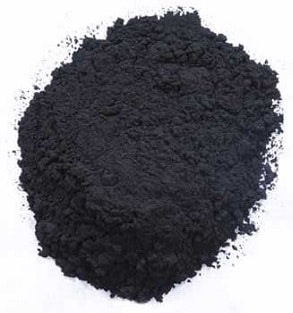
Activated charcoal looks like nothing special – just a fine black powder.
But it’s one of those rare ingredients that shows up everywhere: in hospital emergency rooms, in skincare and toothpaste, and even in water filters and home remedies.
In this guide, I break down what activated charcoal is actually good for, which benefits are backed by evidence, which ones are traditional or cosmetic, and how to use it without wasting money or doing something unsafe.
This post may contain affiliate links at no extra cost to you.
What Is Activated Charcoal?
Activated charcoal is a highly porous form of carbon that can bind certain chemicals, drugs, and toxins to its surface through a process called adsorption.
Its best-established medical use is in hospitals for some types of poisoning and drug overdose, where it can reduce the amount of a substance absorbed from the digestive tract when used at the right time and in the right circumstances.
But activated charcoal does not bind every poison, and it is not a general “detox” treatment.
Outside emergency medicine, activated charcoal is also used in water filtration, skincare, toothpaste, hair products, and some digestive products.
The evidence for these uses varies widely, so below I separate the well-supported uses from those based mainly on cosmetic, traditional, or limited evidence.
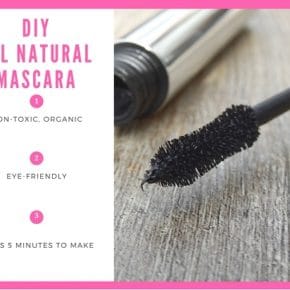
I use it to brush my teeth, purify my water, treat a bee sting, get rid of bloating, relieve a tooth infection (until getting to the dentist), and it’s the main ingredient in my homemade mascara recipe.
What is Activated Charcoal Made Of?
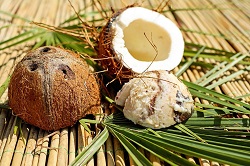
Activated Charcoal itself is a fine, odorless, tasteless, and non-toxic black carbon powder, made from nutshells, coconut shells, and other natural sources.
Activated charcoal (also known as activated carbon) is not the same as the ashes from burning wood or anything else.
Barbecue charcoal is loaded with toxins and chemicals and should never be consumed.
How Activated Charcoal Works
AC does not absorb the toxins, but works through the chemical process of adsorption (where elements bind to a surface). It traps toxins and chemicals in its millions of tiny pores.
So, here are the main uses and benefits of activated carbon:
Activated Charcoal Uses and Benefits: What Is It Good For?

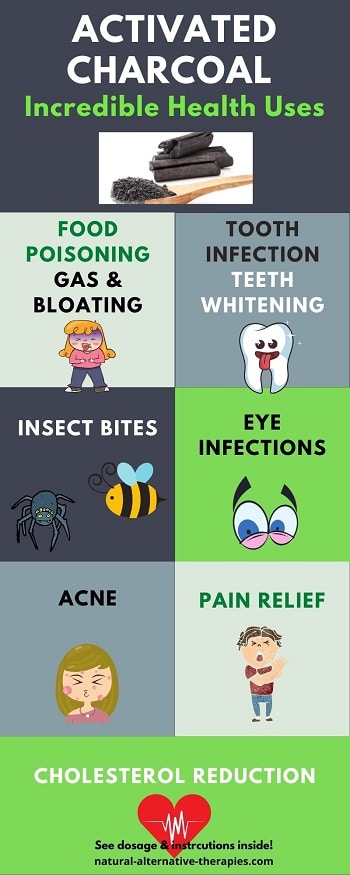
Other popular benefits have much weaker evidence.
- Certain poisonings and overdoses – Established medical use – Can reduce absorption of some substances when used the right way, but it is not good for every poison and should not be used at home for suspected poisoning.
- Water filtration – Well established – Activated carbon can adsorb chlorine, odors, and some organic compounds, although it does not remove every contaminant.
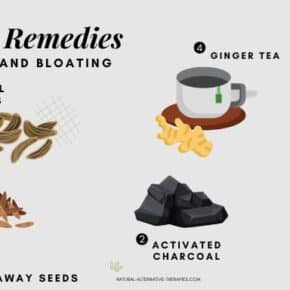
- Gas and bloating – Limited evidence – A few small studies found benefits, but the evidence is old and inconsistent.
- Acne and skincare – Little clinical evidence – Charcoal is widely used in cosmetics, but clinical evidence does not show that it treats acne or gives anti-aging benefits.
- Teeth whitening – Little clinical evidence – Charcoal can remove some surface staining through abrasion, but evidence for meaningful whitening is weak, and abrasive products may damage enamel.
- Lowering cholesterol – limited evidence – Small older studies reported reductions in LDL cholesterol, but this is not an established treatment for high cholesterol.
The 13 uses below are labeled by evidence level so you can quickly see which activated charcoal benefits are well established, which have limited research, and which are mainly traditional or cosmetic uses.
Health Uses (Evidence & Safety)
1. Acute Poisoning and Drug Overdose
Evidence level: Strongest established medical use
Activated charcoal is used in emergency medicine for certain swallowed poisons and drug overdoses because it can bind some substances in the digestive tract and reduce how much enters the bloodstream.
It works best when given soon after ingestion, but whether it is appropriate depends on the substance swallowed, the amount, timing, symptoms, and risk of aspiration.
Do not use activated charcoal at home to treat a suspected poisoning or overdose. It does not work for every poison and can cause serious complications in some situations.
If you suspect poisoning or overdose, contact Poison Control or seek urgent medical care.
2. Gas and Bloating
Evidence level: Limited/mixed
Activated charcoal is sometimes used for occasional gas and bloating, but the evidence is inconsistent.
One small double-blind study found that activated charcoal reduced intestinal gas and related bloating and cramps.
Other controlled studies have not found a significant benefit, so it should not be considered a proven treatment for digestive symptoms.
Activated charcoal can also bind medications and reduce their absorption, which is another reason not to use it routinely without medical guidance.
Bottom line: It can help some people with occasional gas, but persistent or recurring bloating is better treated by identifying the underlying cause without relying on charcoal.
👉 See my full guide to natural bloating remedies.
How it’s typically used:
- Taken occasionally around gas-triggering meals
- Spaced at least 2 hours away from medications or supplements
This use is short-term only and not intended for daily or ongoing digestive issues.
If you want to try charcoal for occasional bloating, this is the simplest, clean option to start with.
👉 See my full guide to natural bloating remedies
3. Tooth Infections and Abscesses
Evidence level: Not supported as a treatment
Activated charcoal is sometimes promoted as a home remedy for tooth infections or abscesses, but there is no good clinical evidence that it can treat the infection.
A tooth abscess develops below the surface of the tooth or gum, where applying charcoal cannot remove the source of the infection.
Do not use activated charcoal as a substitute for dental treatment.
An untreated dental abscess can spread and become serious. Treatment may involve draining the abscess, root canal treatment, or extraction, depending on the cause.
Activated charcoal can help absorb odors and surface bacteria, which can temporarily reduce discomfort.
I do oil pulling with coconut oil and charcoal 3 times a day until I get to the dentist.
4. Mosquito Bites and Bee Stings
Evidence level: Traditional use
Activated charcoal poultices are sometimes suggested as a home remedy for insect bites and stings, but there is no good clinical evidence showing that charcoal removes venom or reliably reduces itching, pain, or swelling.
How to Use – I mix 1 capsule with ½ tablespoon of coconut/olive oil and dab the area, then repeat every 30 minutes until the itching and pain is relieved. If you were stung by a bee, remove the sting first!
Wrap with a bandage, since activated charcoal stains.
Important: Seek emergency care for trouble breathing, swelling of the face or throat, dizziness, widespread hives, or other signs of a serious allergic reaction.
5. Spider Bites Treatment
Evidence level: Not supported as a treatment
Activated charcoal should not be used in place of appropriate first aid or medical treatment.
Topical charcoal poultices are traditionally used to help absorb irritants at the skin surface.
How to use – Find a fabric that is large enough to go around the bite area twice.
Dab an AC and coconut oil mixture on the fabric and wrap.
Keep it in place with bandages. Repeat every 2-3 hours. Rinse well between applications.
Seek medical care promptly if you suspect a bite from a dangerous spider, are unsure what caused the bite, or develop severe pain, spreading swelling or discoloration, an enlarging wound, trouble breathing, or other worsening symptoms.
6. Cholesterol Support
Evidence level: Limited
Activated charcoal has been studied as a possible way to lower cholesterol, but the evidence is based mainly on very small studies from the 1980s.
In one study, activated charcoal reduced total and LDL cholesterol in people with high cholesterol.
Another small trial also reported a reduction in total cholesterol. However, other controlled research found no significant benefit.
However, these studies used much larger amounts of activated charcoal than you would typically find in an occasional supplement.
Activated charcoal can also interfere with the absorption of medications and nutrients.
Bottom line: The early research is interesting, but activated charcoal should not replace proven cholesterol-lowering strategies or medication prescribed by a healthcare professional.
7. Water purification
Evidence level: Well established
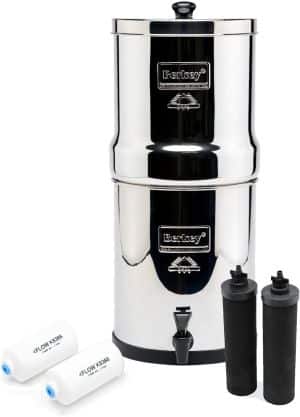
Activated carbon is widely used in drinking-water filters because its porous surface can adsorb chlorine, odors, and many organic compounds.
Depending on the specific filter design and certification, carbon filtration may also reduce certain contaminants such as VOCs or lead.
However, activated carbon does not remove every contaminant.
Standard carbon filters are not reliable for removing bacteria, nitrates, dissolved minerals, or all heavy metals.
Bottom line: Activated carbon is highly useful for improving taste and odor and reducing specific contaminants, but choose a water filter that is independently certified for the contaminants you actually need to remove.
Beauty & Personal Care Uses (Skin & Hair)
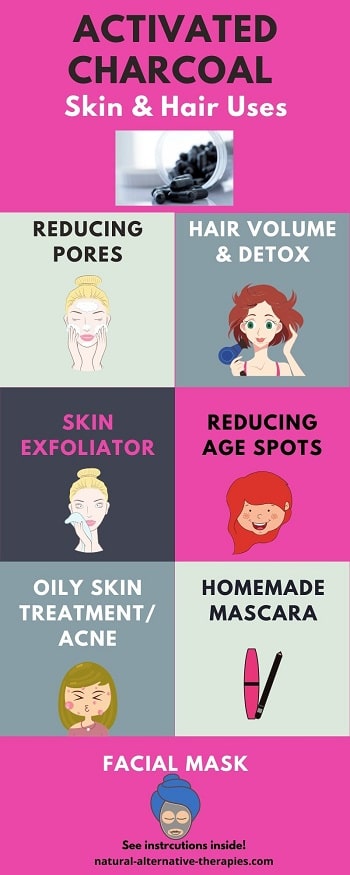
Activated charcoal is now common in face masks, cleansers, soaps, shampoos, deodorants, and tooth-care products.
Its ability to adsorb substances makes it appealing as a cosmetic ingredient, especially in products designed to remove surface oil and buildup.
However, many beauty claims made for charcoal have not been confirmed in clinical studies.
Here is what the evidence actually shows for the most common uses.
1. Acne and Oily Skin
Evidence level: Cosmetic use
Activated charcoal is commonly added to cleansers and face masks because it can adsorb substances on the skin’s surface, including some excess oil and buildup.
However, there is currently no good clinical evidence showing that activated charcoal treats acne, kills acne-causing bacteria, reduces inflammation, or prevents new breakouts.
That doesn’t mean a charcoal cleanser or mask cannot leave oily skin feeling cleaner.
It simply means that this cosmetic effect should not be confused with treating acne.
If you use a charcoal mask or cleanser, avoid aggressive scrubbing and stop if your skin becomes dry or irritated.
How to Use – mix a little bit of AC with 2 teaspoons of aloe vera gel or honey. Let it dry and rinse off after 10 minutes.
Or, use an activated charcoal facial scrub:
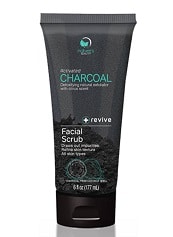
To avoid drying your skin, do not do this more than twice a week.
2. Teeth Whitening
Evidence level: Weak evidence for meaningful whitening
Activated charcoal is widely promoted as a natural teeth whitener, largely because abrasive charcoal products may remove some external surface staining.
However, charcoal does not bleach the tooth itself, and clinical evidence does not show a strong whitening benefit.
A 2024 randomized controlled trial found that activated-charcoal powder and toothpaste produced only minor, unsatisfactory whitening, with results similar to regular toothpaste.
There are also concerns about the abrasiveness of some charcoal products and potential enamel wear with repeated use.
Bottom line: Charcoal may remove some surface staining, but it is not a well-supported or particularly effective way to whiten teeth.
3. Scalp Oil and Product Buildup
Evidence level: Cosmetic use
Activated charcoal is used in some shampoos and scalp products because its porous surface can adsorb oils and substances on the surface of the hair and scalp.
That makes it useful in a clarifying product when your hair feels weighed down by excess oil or styling-product buildup.
However, there is no good clinical evidence that activated charcoal “detoxes” the scalp or treats dandruff, seborrheic dermatitis, hair loss, or other scalp conditions.
Bottom line: Think of charcoal as a cosmetic cleansing ingredient, not a scalp treatment. It may be most useful for oily hair or product buildup, while very dry hair or a dry, irritated scalp may not benefit from additional oil removal.
👉 Read: Dry & itchy scalp: causes and fixes
4. Activated Charcoal Facial Mask
Evidence level: Cosmetic use
Activated charcoal is commonly included in facial masks because it can adsorb oil and substances on the skin’s surface.
A charcoal mask can leave your oily skin feeling cleaner or less greasy.
If you use a charcoal mask, choose a product formulated for facial skin and follow the manufacturer’s directions. Avoid leaving it on longer than recommended or using it too frequently if your skin becomes dry or irritated.
How to use – here’s a simple recipe you can use once or twice a week:
- Step 1 – Mix 1 tbsp of activated charcoal with 1 tsp of raw coconut oil, adding a drop of water until you get the consistency you want.
- Step 2 – Apply to your face and allow it to fully dry
- Step 3 – Follow with your moisturizer or favorite oil
👉 If you don’t want to mix powders, a ready-made charcoal mask is easier and less messy.
5. Exfoliating Soap
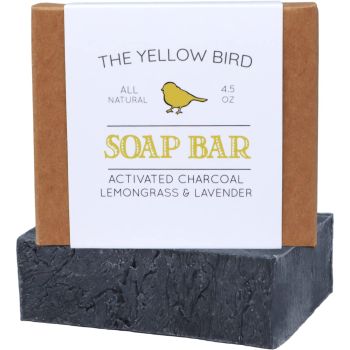
Some charcoal soaps feel gritty, but any physical exfoliation depends on the complete formulation of the soap rather than a proven exfoliating effect of activated charcoal itself.
Bottom line: Charcoal soap can be a useful cleansing product for oily skin, but claims that it “detoxes” the skin, unclogs pores, or treats skin conditions are not supported by good clinical evidence.
👉 See my recommended activated charcoal soap.
7. Reducing Age Spots
Evidence level: Anecdotal
Some people report improved skin brightness due to exfoliation and oil control.
However, there is no clinical evidence that charcoal removes age spots or reduces pigmentation.
Activated charcoal is highly absorbent and can help to remove impurities and toxins from the skin.
It also absorbs excess oil.
Is Activated Charcoal Safe?
Activated charcoal is generally safe when used occasionally and correctly, but it is not suitable for everyone, especially for internal use.
Do not use activated charcoal internally if you:
- Have intestinal blockage, bowel obstruction, or severe constipation
- Have slow digestion or have had recent abdominal surgery
- Have unexplained abdominal pain
- Drug & supplement interactions (important)
- Supplements and vitamins – Take activated charcoal at least 2 hours away from any medication or supplement.
- Pregnancy & children – Avoid routine internal use during pregnancy or breastfeeding; do not give to children without medical guidance
Use a high-quality, pure form of activated charcoal. I only use this one, made from coconut shells
👉Many people focus on removing toxins from food and water, but forget daily exposure from personal care products – including toilet paper.
If you’re trying to reduce chemical exposure overall, switching to non-toxic toilet paper (free from chlorine bleach, dyes, and PFAS) is one of the easiest changes you can make.
What Are the Benefits of Activated Charcoal for Women?
Activated charcoal does not have special “women-only” health benefits, but women may use it for the same reasons anyone else does: occasional gas and bloating, water filtration, oily skin, acne masks, surface tooth stains, scalp buildup, and DIY beauty recipes.
Where it may be especially useful in a beauty routine is as a face mask or scrub for oily skin, as a scalp treatment for product buildup, or as a natural pigment in homemade mascara or eyeliner.
The important warning: activated charcoal can bind medications, supplements, and nutrients, so it should not be taken daily or used internally during pregnancy, breastfeeding, or with medications unless a doctor says it is safe.
Can Activated Charcoal Fade Age Spots?
There is no good clinical evidence that activated charcoal fades age spots, reduces pigmentation, or prevents skin aging.
A charcoal cleanser or mask may temporarily remove surface oil and leave skin feeling cleaner, but that should not be confused with changing the pigment that causes an age spot.
If dark spots concern you, natural sun protection is important.
Important: A new, changing, or unusual dark spot should be checked by a dermatologist rather than assumed to be an age spot.
Conclusion
The real benefits of activated charcoal depend on how you use it.
The key is simple:
- Use it for what it actually does well
- Start small and see how your body responds
If you do that, charcoal can be a cheap, practical addition to your routine without overcomplicating things.
To your health and happiness,
Meital
Activated Charcoal Studies
Lapus, Robert Michael, Activated charcoal for pediatric poisonings: the universal antidote?, https://doi.org/10.1097/MOP.0b013e32801da2a9
Derlet RW, Albertson TE. Activated charcoal–past, present and future. West J Med. 1986;145(4):493–496.
Helen Senderovich & Megan J. Vierhout (2018) Is there a role for charcoal in palliative diarrhea management?, Current Medical Research and Opinion, 34:7, 1253-1259, DOI: 10.1080/03007995.2017.1416345
Maconi G, Bolzacchini E, Radice E, Marzocchi M, Badini M. Alpha-galactosidase versus active charcoal for improving sonographic visualization of abdominal organs in patients with excessive intestinal gas. J Ultrasound. 2012;15(4):232–238. Published 2012 May 17. doi:10.1016/j.jus.2012.04.002

Activated charcoal is thought to offer several other benefits, including less gas and flatulence, lower cholesterol levels, and improved kidney function.
I like how you mentioned that activated charcoal has a myriad of health and beauty benefits. My wife is thinking of getting charcoal shampoo because she noticed the other day that she had a lot of split ends and she speculates it’s from the products she’s using now. It seems like a good idea for my wife to think about buying shampoo from a reputable supplier to help increase the health of her hair so that it can look and feel as best as possible.
I’m incredibly pleased to find this article. I found it while researching the benefits of activated charcoal & didn’t realize how many beneficial uses that there are for it. The benefits for the scalp & hair are particularly interesting & causes me to be that much more excited for the new, exclusive, charcoal hair masque that I found. I can’t wait to experience the anti-aging, cleansing benefits for myself as well as share them with my clients!!
Wasn’t sure about the usages for eye infection thanks for sharing your research.
Keep your good work 🙂
Regards
Sofia
In Europe, the pediatrician prescribed AC as a medication for some kind of food/ medicine poisoning that my 10-year-old got while traveling. It worked great. I talked to my aunt and she says people in Europe are using it all the time. Why it’s not popular or known in the USA?
Thanks for featuring me! That’s awesome! 🙂
Great tips. I did not know that activated charcoal was made from coconut shells and nuts shells. I knew that charcoal was a great detoxer, and they gave it for poisoning. Thanks for sharing all these great tips. Congratulations on being featured on HHGN blog hop. Pinned & tweeted!
I have heard of some of the activated charcoal’s benefits but I have never used it. Your valuable summary of healthy uses is so compelling. I can’t wait to make AC toothpaste, a facial and to use it as a natural remedy! Thank you so much for sharing 22 Mind-Blowing Uses and Benefits of Activated Charcoal at the Healthy Happy Green and Natural Party Blog Hop. I’m pinning and sharing.
I had no idea that activated charcoal absorbs most organic toxins, poisons, and chemicals before they can harm your body. It sounds like it has a lot of good uses that can keep you healthy in more ways than one. I especially like how it can help with food poisoning. I would imagine that activated charcoal is a great tool for someone who gets sick a lot because it can combat the toxins in your body very quickly.